Responsible Gambling Horse Racing UK: Safety Tools
 Available in US
UKGC Responsible Gambling Tools and Limits
I write about each-way strategy, place terms, and value betting with genuine enthusiasm – because I enjoy the intellectual challenge of horse racing betting and I believe it can be a rewarding pursuit when approached with discipline. But I would be doing you a disservice if I did not address the other side of the equation: the point where betting stops being enjoyable and becomes a problem. Horserace bettors have consistently been associated with low levels of problem gambling – a rate of 2.8% in the 2018 Health Survey for England. That is a low headline figure, but behind it are real people whose relationship with betting has caused real harm.
Grainne Hurst, CEO of the Betting and Gaming Council, has spoken forcefully about the distinction between licensed operators who invest in safer gambling and unlicensed parasites who do not care about any of it. Licensed UK bookmakers are legally required to provide responsible gambling tools, and those tools are more comprehensive than most punters realise. Using them is not a sign of weakness – it is a sign that you take your betting seriously enough to manage it properly.
UKGC Safer-Gambling Tools Available to Every Bettor
The UK Gambling Commission requires every licensed operator to offer a standard set of safer-gambling tools. These are not optional extras or premium features – they are built into every account, available from the moment you register, and they cost nothing to activate.
Deposit limits let you cap the amount of money you can deposit into your betting account within a given period – daily, weekly, or monthly. Once you set a deposit limit, the operator cannot accept deposits that exceed it. You can lower the limit at any time with immediate effect. Raising it requires a cooling-off period of at least 24 hours, giving you time to reconsider. I have used deposit limits myself during busy festival weeks when the temptation to chase losses across multiple races is at its highest.
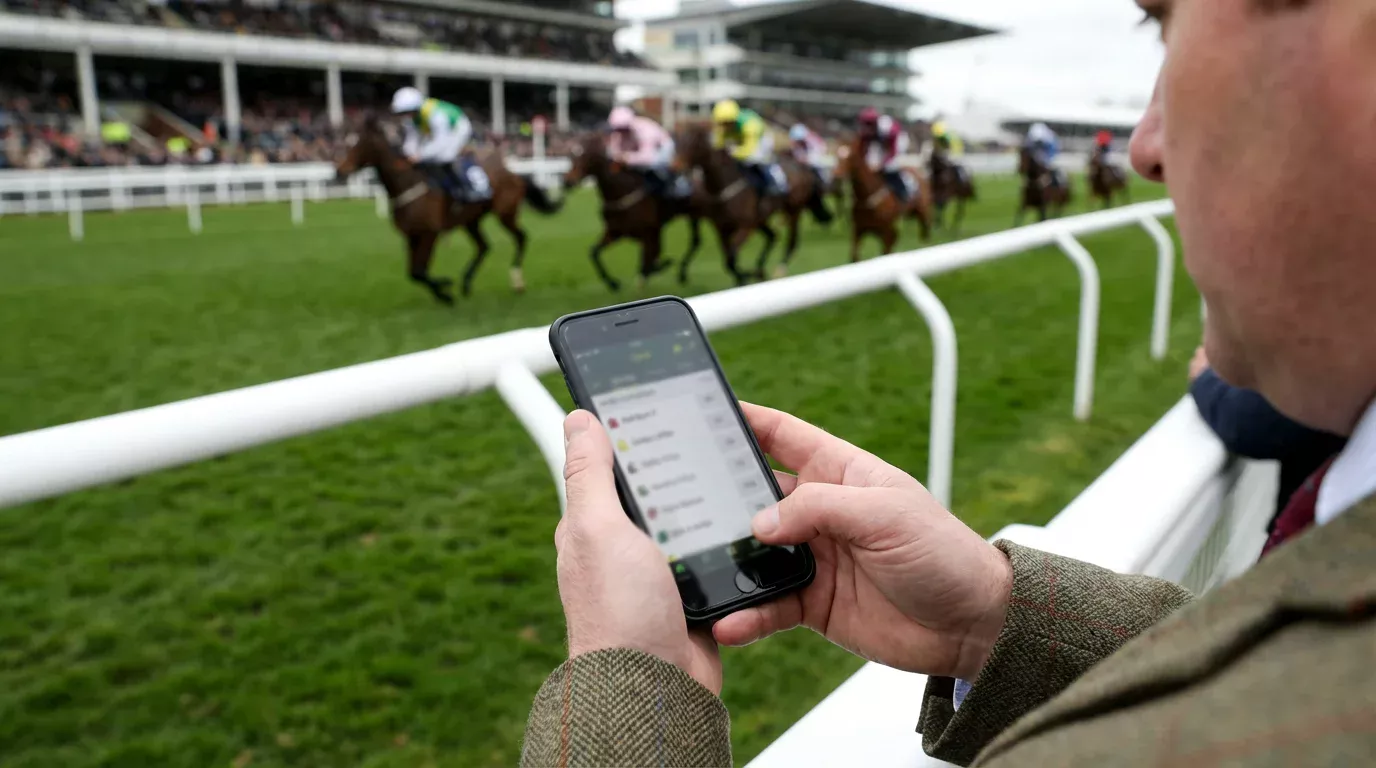
Loss limits work similarly but cap the net amount you can lose rather than the amount deposited. Some operators also offer session time limits and reality checks – pop-up notifications that tell you how long you have been logged in and how much you have wagered or lost during the session. The 25 to 34 age group posted the highest non-lottery gambling participation rate at 35% in late 2025, and these younger bettors in particular benefit from tools that interrupt the flow of rapid mobile betting with a moment of reflection.
Time-out periods allow you to temporarily suspend your account for 24 hours, 7 days, 30 days, or longer. During a time-out, you cannot place bets, deposit funds, or access any gambling products on that operator’s platform. The account remains intact and your balance is preserved, but you are locked out until the period expires. This is a useful mid-range option between setting limits and full self-exclusion.
GamStop and Self-Exclusion: How They Work
GamStop is the UK’s national self-exclusion scheme for online gambling. When you register with GamStop, you are excluded from all UK-licensed online gambling operators for a minimum period of your choosing: six months, one year, or five years. The exclusion covers betting accounts, casino accounts, bingo – everything licensed by the UKGC.
Horse racing betting participation was 4% for the four weeks to October 2025, down from 7% in the prior quarter. That decline in participation reflects broader market trends, but for the individuals within that cohort who are struggling with their gambling, GamStop provides a single registration point that blocks access across the entire licensed market. You do not need to contact each operator individually – one GamStop registration does the job.
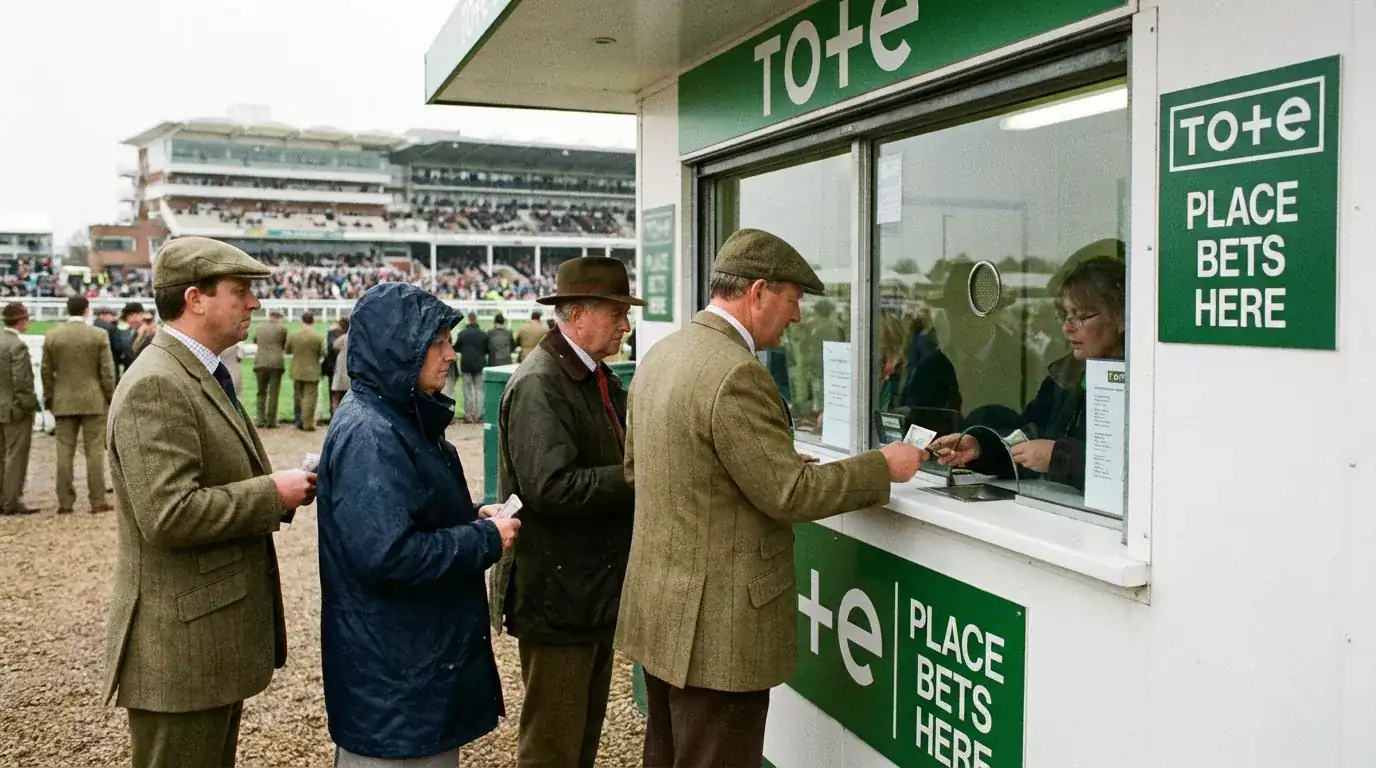
There are limitations. GamStop covers online gambling with UK-licensed operators only. It does not block you from betting at the racecourse with on-course bookmakers, and it does not cover unlicensed offshore operators. If you need complete exclusion from all forms of gambling, you may need to combine GamStop with additional measures such as the on-course exclusion schemes run by individual racecourses and the self-exclusion registers maintained by the Association of British Bookmakers for high-street shops.
Reversing a GamStop registration is possible once the minimum exclusion period has expired, but the process is deliberate. You must request removal, and there is a further cooling-off period before the exclusion is lifted. This friction is intentional – it prevents impulsive decisions to start gambling again before you have had time to consider whether it is genuinely the right choice.
Where to Get Help: Helplines and Support Organisations
If you or someone you know is struggling with gambling, help is available. The UK has a well-established network of support services, and reaching out is confidential.
The National Gambling Helpline, operated by GamCare, offers free advice and support. GamCare also provides online counselling and a network of local services for face-to-face support. Gamblers Anonymous runs peer-support meetings across the UK for anyone who recognises that gambling has become a problem in their life.
For financial support, the National Debt Line and StepChange provide free debt advice to people whose gambling has caused financial difficulties. These services are independent, non-judgmental, and experienced in helping people who are dealing with gambling-related debt.
The most important thing I can say on this topic is simple: the tools and support exist, they work, and using them early is always better than waiting until the problem becomes severe. Responsible gambling is not about abstaining from betting – it is about betting within your means, understanding the risks, and having the self-awareness to recognise when the balance shifts. Every strategy I discuss on this site – from place terms to each-way value – assumes that you are betting with money you can afford to lose and that the process remains enjoyable. If either of those conditions stops being true, the strategy that matters most is the one that protects your wellbeing.
Does GamStop block me from placing bets at the racecourse as well as online?
No. GamStop covers online gambling with UK-licensed operators only. It does not extend to on-course bookmakers at racecourses or to betting shops on the high street. If you need exclusion from on-course betting, you should contact individual racecourses about their self-exclusion schemes or use the Multi-Operator Self-Exclusion Scheme (MOSES) for high-street betting shops, which covers physical premises separately from online accounts.
What are affordability checks and how do they affect horse racing bettors?
Affordability checks are assessments that licensed UK bookmakers are required to conduct to ensure that customers are not betting more than they can afford. These checks can involve reviewing deposit and loss patterns, requesting evidence of income or source of funds, and applying spending restrictions. They are triggered at thresholds set by the Gambling Commission and by individual operators’ own policies. For horse racing bettors, affordability checks may result in deposit limits being imposed or additional documentation being requested before large stakes are accepted.
Prepared by the win Place bet Horse Racing editorial staff.