Flat Racing Place Bet UK: Each-Way Strategies
 Available in US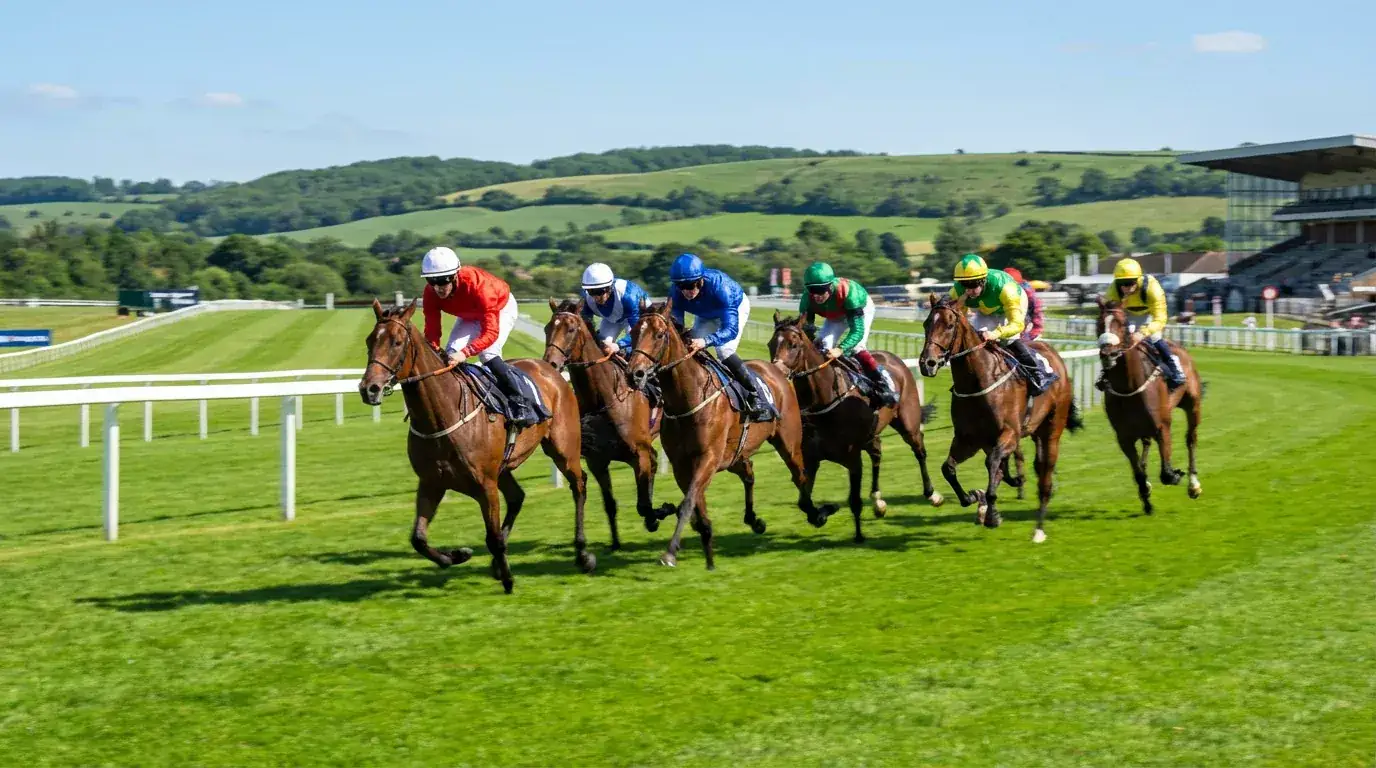
Flat Racing Shorter Fields Place Betting UK
I switched my focus to Flat racing during the summer of 2019 after spending most of my betting life over jumps. The first thing that struck me was how often I found myself looking at six- and seven-runner races where each-way terms offered just two places. Coming from the world of 16-runner handicap hurdles paying four places, the Flat felt like a different sport from a place-betting perspective – because in many respects, it is.
Flat racing in the UK runs from April to November on turf and year-round on the all-weather surfaces. The Flat season delivers a higher volume of races than the jumps calendar, but the average field size is smaller. Group races, listed events, and maidens often attract fewer than ten runners. That compresses the place-betting landscape: fewer runners means fewer paid places, tighter margins, and a more selective approach for anyone betting each-way.
Odds-on favourites win around 55 to 60% of the time on the Flat in the UK, a figure that climbs even higher in maiden races. Compare that to jump racing, where the attrition from falls and unseats drags the favourite’s win rate down considerably. The Flat’s higher favourite strike rate has a direct consequence for place bettors: shorter-priced horses occupy the places more reliably, which means the opportunities for longer-priced each-way value are narrower than over jumps.
Typical Flat Field Sizes and Their Place Term Impact
I tracked average field sizes across 500 Flat races last season and the picture was clear. Group 1 and Group 2 races averaged 9.2 runners. Group 3 and listed events averaged 10.8. Conditions races averaged 7.4. Maidens averaged 9.6 on turf and 8.1 on the all-weather. Handicaps were the outlier, averaging 12.3 overall but climbing above 16 in the big Saturday and festival events.
Those numbers translate directly into place terms. Second favourites on UK Flat turf have a strike rate of 19.4% from over 36,000 runs – a statistic that tells you how competitive the middle of the market is. In a typical Flat maiden with eight or nine runners and three paid places, those second and third favourites absorb a large proportion of place finishes. The window for an outsider to sneak into the places is genuinely tight.
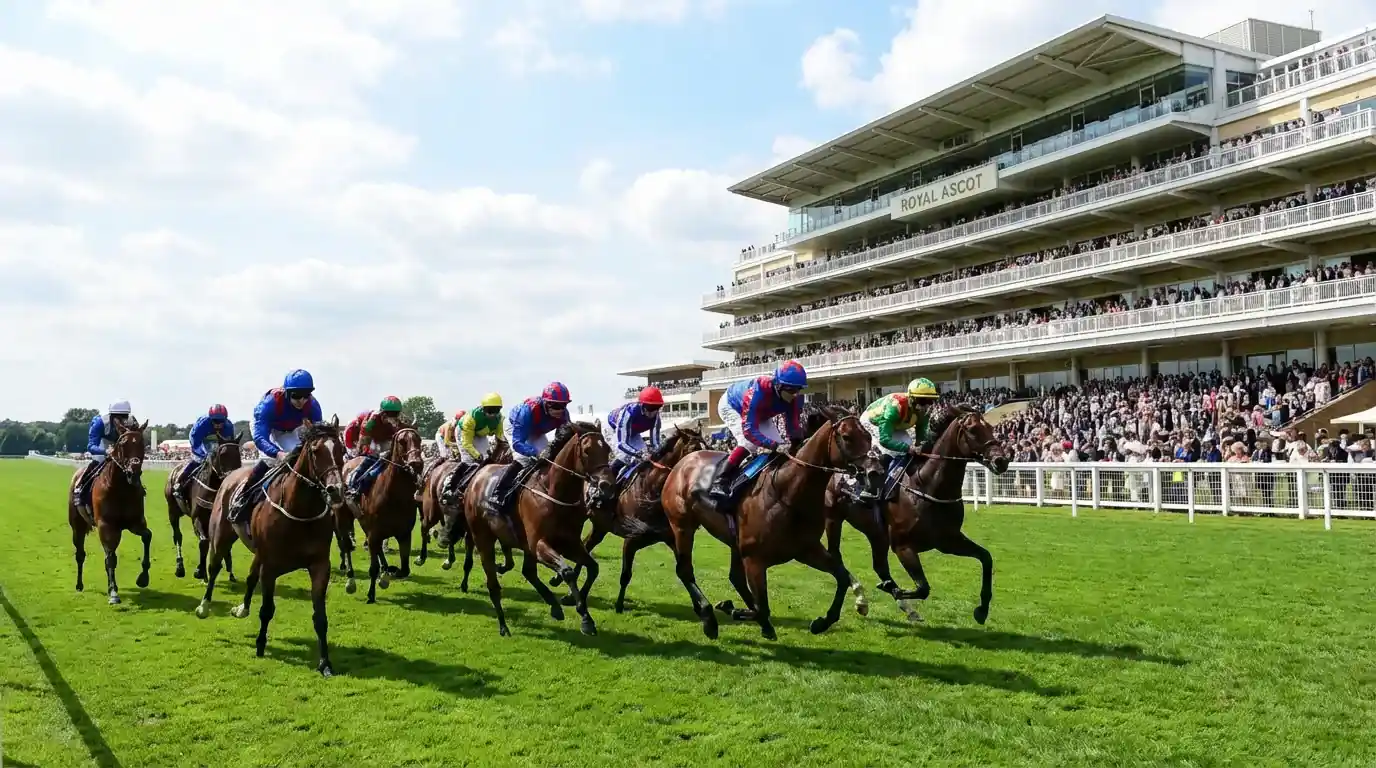
Where Flat field sizes do expand is in the heritage handicaps and the big all-weather handicaps. The Cambridgeshire, the Cesarewitch, the Lincoln, the Victoria Cup – these races regularly attract 16 to 25 runners and trigger four-place terms. The all-weather programme at Lingfield, Wolverhampton, and Newcastle includes competitive handicaps that regularly produce fields of 12 to 16. It is in these races that each-way betting on the Flat starts to resemble the jumps model: bigger fields, more places, more scope for value at longer odds.
Favourite Strike Rates on the Flat: Place Betting Implications
The Flat’s favourite dominance is the single biggest factor shaping place-bet strategy. When odds-on favourites win 55 to 60% of the time – and place even more often – the top of the market occupies the place positions with a consistency that squeezes value out of each-way bets at shorter prices.
The implication is counterintuitive. On the Flat, each-way bets on favourites and second favourites are less attractive than you might expect, because the place returns at short odds are thin relative to the total stake. A 3/1 shot placing at 1/4 odds returns just 3/4 on the place stake – on a £10 each-way bet (£20 total), a place-only finish returns £7.50 plus £10 stake = £17.50, a net loss of £2.50. You need the horse to win for the bet to show a meaningful profit. That makes it functionally a win bet with an expensive insurance premium.
The each-way edge on the Flat sits further down the market. Horses priced between 8/1 and 16/1 in competitive handicaps with 12+ runners offer the best combination of realistic place probability and worthwhile place returns. The place payout at 1/4 of 10/1 is 5/2 – on a £10 each-way bet, a place finish returns £12.50 plus £5 stake on the place leg = £17.50, against a £10 total outlay. That is a £7.50 profit from the place leg alone, which justifies the bet even when the win leg is lost.
Key Differences from Jump Racing Place Betting
Having bet seriously on both codes, I can summarise the key differences in each-way dynamics between Flat and jumps racing in practical terms.
Field sizes: Flat races average smaller fields. This means fewer paid places overall, fewer four-place races, and a tighter squeeze on outsiders trying to hit the frame. Jump racing’s average field sizes are larger, particularly in novice and handicap hurdle races, creating more each-way-friendly conditions as a default.
Attrition: the Flat has almost none. Barring rare accidents, every horse that starts a Flat race completes it. In jump racing, falls, unseats, refusals, and pulled-up horses reduce the effective field during the race, improving the place probability for the remaining runners. This attrition is baked into the each-way maths of jump racing and is entirely absent on the Flat.
Favourite reliability: Flat favourites win more often and place more often than their jumps equivalents. This concentrates place finishes at the top of the market and makes it harder for longer-priced horses to break through. Jump racing’s lower favourite strike rate redistributes place finishes more evenly across the market, creating more value for each-way bettors at bigger odds.
Seasonal rhythm: the Flat season peaks during the summer, with the major festivals (Epsom, Royal Ascot, Goodwood, York) offering the biggest fields and the most competitive handicaps. Each-way value on the Flat is concentrated in these festival periods and in the big Saturday handicaps. The all-weather season fills the winter months but with generally smaller fields and less each-way opportunity. A disciplined place betting strategy on the Flat should target specific race types rather than attempting to bet each-way across the entire programme.
Are Flat races less suitable for each-way betting than jumps races?
In general, yes – because average field sizes are smaller and favourite strike rates are higher on the Flat, which compresses the number of paid places and reduces the frequency of longer-priced horses finishing in the frame. The exception is big-field Flat handicaps, which offer four or more paid places and field sizes comparable to jump racing. Each-way betting on the Flat is most productive when targeting these specific race types rather than betting across all Flat races indiscriminately.
What is the typical field size in UK Flat maidens and how does it affect place terms?
Flat maidens on turf average around 9 to 10 runners, while all-weather maidens average 8 to 9. Both figures typically exceed the eight-runner threshold for three paid places, so most Flat maidens offer three-place each-way terms. However, the relatively small fields and high favourite strike rates in maidens mean that place finishes are concentrated among the top three or four in the betting, leaving limited scope for each-way value at longer odds.
Published by the win Place bet Horse Racing team.