Cheltenham Each-Way Tips: UK Festival Angles
 Available in US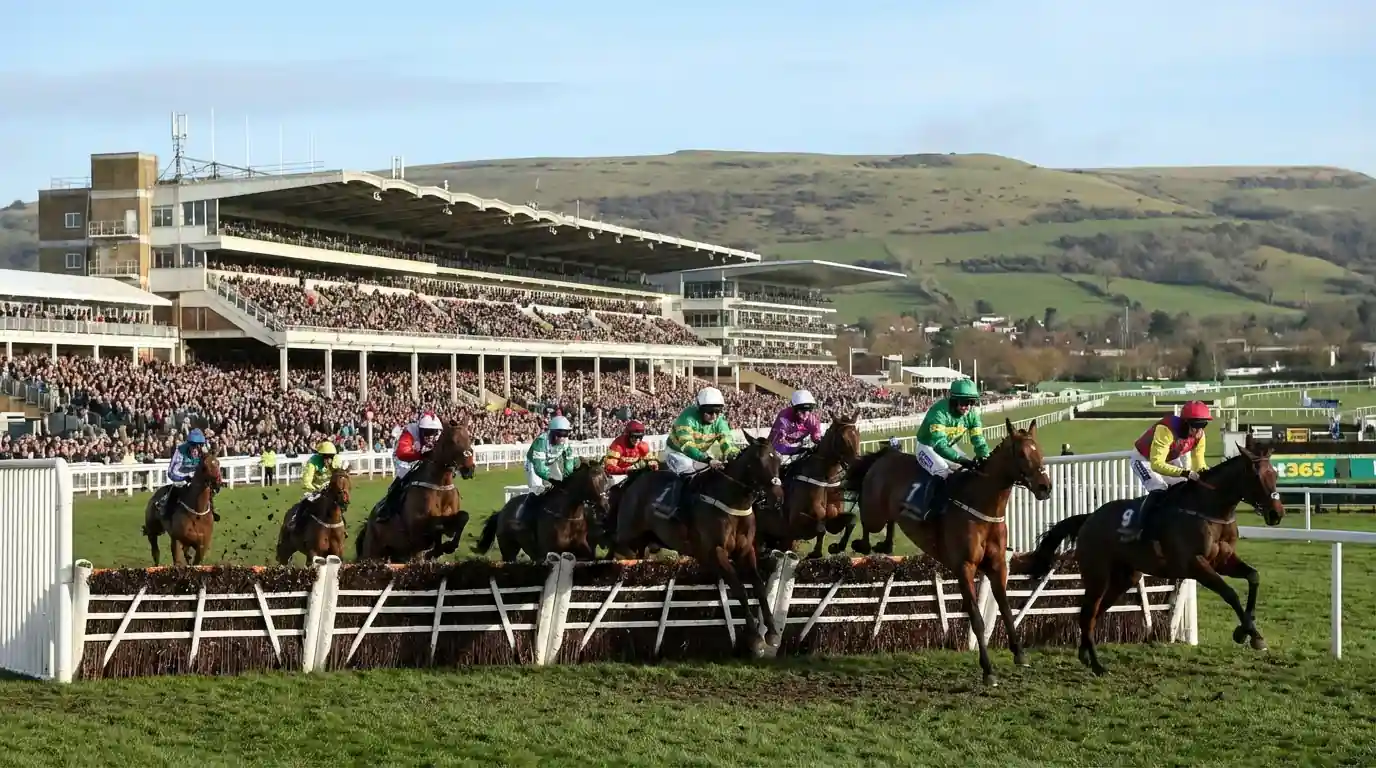
Cheltenham Festival Each-Way Betting Angles
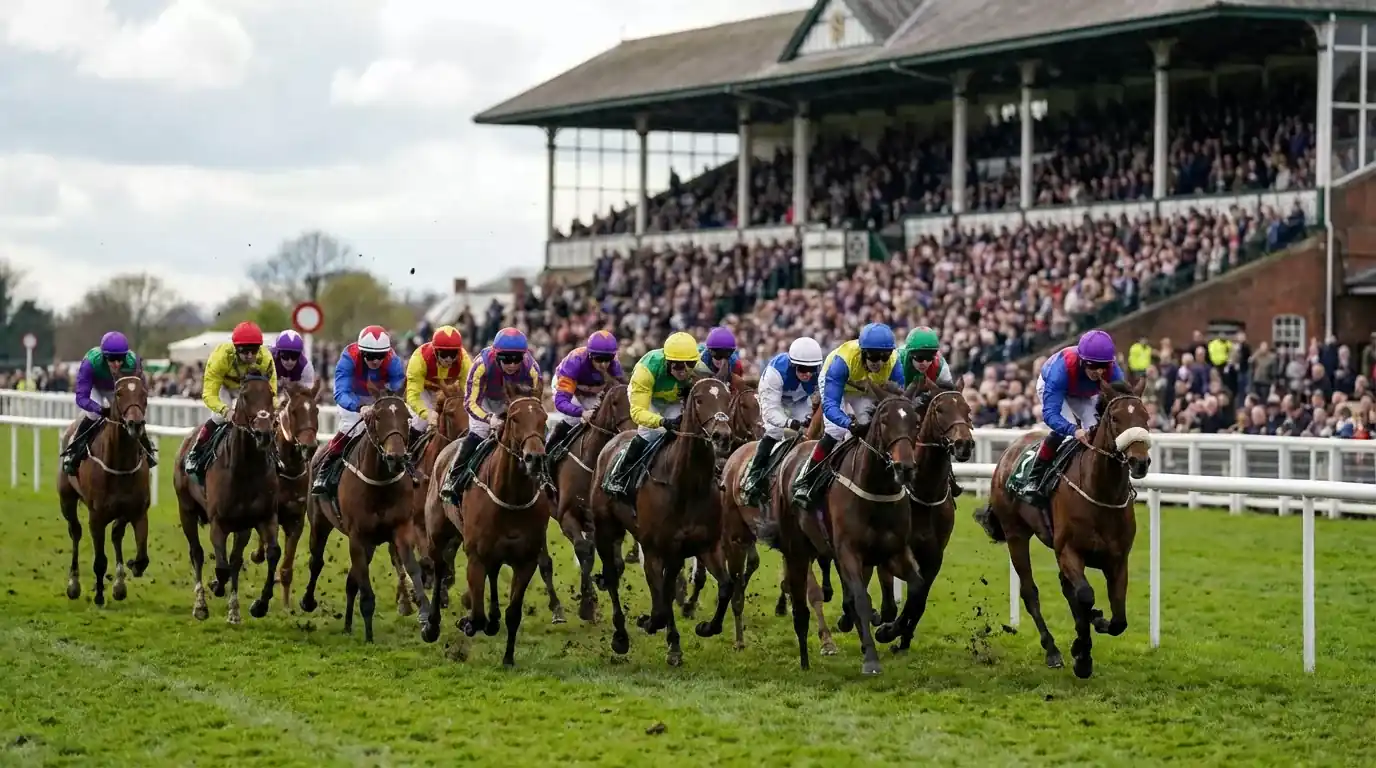
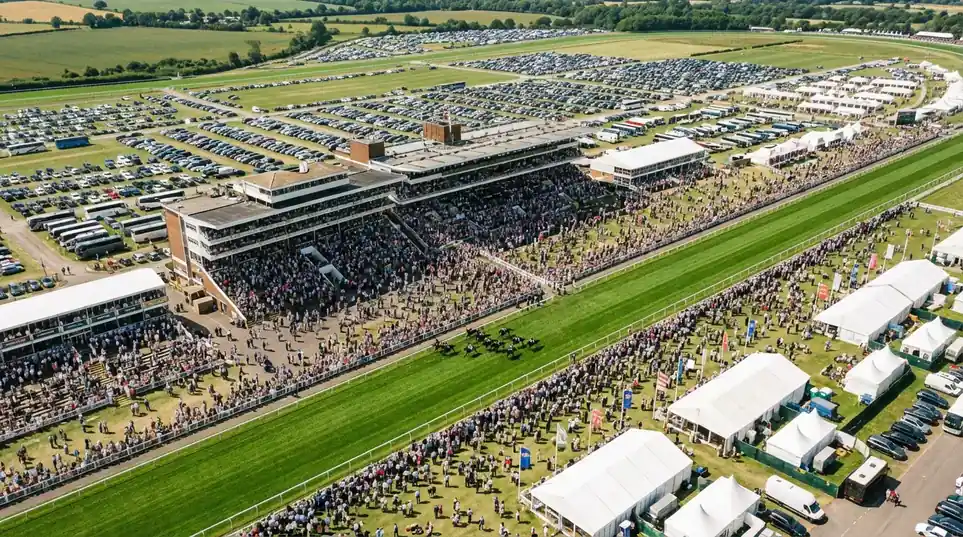
There is a moment on the Tuesday of Cheltenham week when you look at the racecard for the first big handicap and see twenty-plus runners listed, each with single-figure or double-figure odds, and you know this is the week that each-way betting was designed for. I have attended every Festival since 2018, and the pattern repeats: the each-way market at Cheltenham is the largest and most liquid of any meeting in the UK calendar.
The numbers back up the instinct. More than 80% of bets placed during the 2024 Festival came through mobile devices, and each-way wagers surged 25% compared to non-festival racing. William Hill projected a total betting turnover of approximately £450 million across the four days of the 2026 Festival. That volume is driven by the combination of competitive fields, high-quality racing, and the fact that Cheltenham’s programme is deliberately structured to produce the kind of large-field, open-result races where each-way betting offers its greatest edge.
The unique undulations of the course mean that National Hunt place bets often offer better value here than in standard flat races.
Place Terms Across Cheltenham Race Types
Not every Cheltenham race carries the same place terms, and getting this wrong can cost you. The Festival card mixes small-field championship races with enormous handicaps, and the each-way terms shift dramatically between the two.
The championship races – the Champion Hurdle, the Champion Chase, the Stayers’ Hurdle, the Gold Cup – typically attract fields of eight to twelve runners. Standard place terms apply: three places at 1/4 or 1/5 of the win odds, depending on the bookmaker. These are competitive races, but the fields are manageable and the form is well-established. Each-way value in these events comes from identifying a horse at longer odds that has a genuine place chance against the market leaders.
The handicaps are where Cheltenham transforms into an each-way playground. Races like the Coral Cup, the Martin Pipe, the County Hurdle, and the Grand Annual regularly attract 20 or more runners. At 16+ runners in a handicap, standard place terms expand to four places at 1/4 or 1/5 odds. Many bookmakers go further, offering five or six places on the biggest Cheltenham handicaps as extra-places promotions. 68.8 million individual bets were placed across the 2025 Festival, and a disproportionate share of that total landed on these big-field handicap events.
The novice races sit in between. Novice hurdles and novice chases at the Festival vary from eight to fifteen runners. The Supreme and the Arkle tend to have larger fields than the Turners or the Brown Advisory, but all of them pay at least three places. Check the final declarations on the Monday evening before the Festival starts – that is when the field sizes are confirmed and you can lock in your place-term assumptions for each race.
Field-Size Patterns That Create Each-Way Value
I have tracked Cheltenham field sizes for the past six Festivals, and the patterns are remarkably consistent. The big handicaps average 20 to 24 runners. The championship events average 9 to 12. The novice races average 10 to 16. These averages are useful because they let you plan your each-way approach before the final fields are published.
The each-way value is highest in the band of 16 to 24 runners. This is where four-place terms kick in, and where the probability of a longer-priced horse finishing in the places is most favourable relative to its odds. In a 20-runner handicap paying four places, one in five runners qualifies for a place payout. If you can identify a horse at 16/1 or longer with a genuine chance of making the first four, the place part of your each-way bet can return a profit even when the win leg is essentially a lottery ticket.
Favourites at Cheltenham are less reliable than at most UK meetings. Just 9 of 28 races (32%) at the 2025 Festival were won by the favourite – the same rate as 2024 and 2023. That consistency suggests it is a structural feature of Festival racing, not a statistical blip. When favourites win only a third of the time, the form book is telling you that longer-priced horses are hitting the frame regularly. This is the environment where each-way betting at double-figure odds delivers its best results.
Make the most of the festival season by following the advice on the best UK racing betting site available today.
Three Data-Backed Angles for Festival Each-Way Bets
After nine years of Festival betting, I have narrowed my each-way approach to three angles that the data supports.
The first angle targets handicap hurdles with 20+ runners. These races – the Coral Cup, the County Hurdle, the Martin Pipe – produce the highest density of big-priced place finishers at the Festival. The reason is simple: large fields, competitive handicap marks, and a fast pace that favours hold-up horses. I look for runners priced between 14/1 and 25/1 with a running style that benefits from a strong pace up front. These horses often struggle in smaller fields but come alive when there are twenty runners charging up the hill.
The second angle focuses on odds-on favourites in championship races – specifically, their vulnerability. Fewer than half of odds-on favourites were successful at Cheltenham over 2020 to 2025: just 16 of 35 winning. When a red-hot favourite gets beaten in a Champion Hurdle or a Gold Cup, the each-way backers of 8/1 and 10/1 shots in the same race collect. I do not back against every favourite, but when a championship race has a standout market leader at odds-on and two or three genuine alternatives at bigger prices, the each-way case for the alternatives is strong.
The third angle is specific to the novice chases. These races have smaller fields than the handicaps – typically 8 to 12 runners – but the attrition rate is high. Falls, unseats, and pulled-up horses are more common in novice chases than in any other race type at the Festival. When a third of the field fails to complete, the horses that stay standing are the ones that fill the places. Each-way bets on sound jumpers at mid-range prices – 6/1 to 12/1 – have a higher place strike rate in novice chases than the raw form figures would suggest, precisely because the completion rate is lower.
None of these angles guarantee profit. But each one is grounded in data patterns that have repeated across multiple Festivals, and together they form a framework for deciding where each-way value concentrates at the biggest meeting in the calendar.
How many places are paid in Cheltenham handicap hurdles with 20+ runners?
Standard place terms for handicaps with 16 or more runners pay four places at 1/4 or 1/5 of the win odds. Most major bookmakers extend this further on big Cheltenham handicaps, offering five or even six places as extra-places promotions. The exact number of places varies by bookmaker and by race, so check the terms on the specific event before placing your each-way bet.
Are Cheltenham favourites reliable for place bets?
Less reliable than at most UK meetings. Favourites won only 32% of Festival races across 2023, 2024, and 2025. While favourites still place more often than they win, the strike rate is lower than the national average for UK racing. Odds-on favourites were especially vulnerable at Cheltenham over the 2020 to 2025 period, with fewer than half winning. This suggests caution when backing short-priced favourites to place and presents opportunities for each-way bets on alternatives at longer odds.
Published by the win Place bet Horse Racing team.