Ante-Post Each-Way Horse Racing: Early UK Odds
 Available in US
Ante-Post Each-Way Odds and Risks in UK Racing
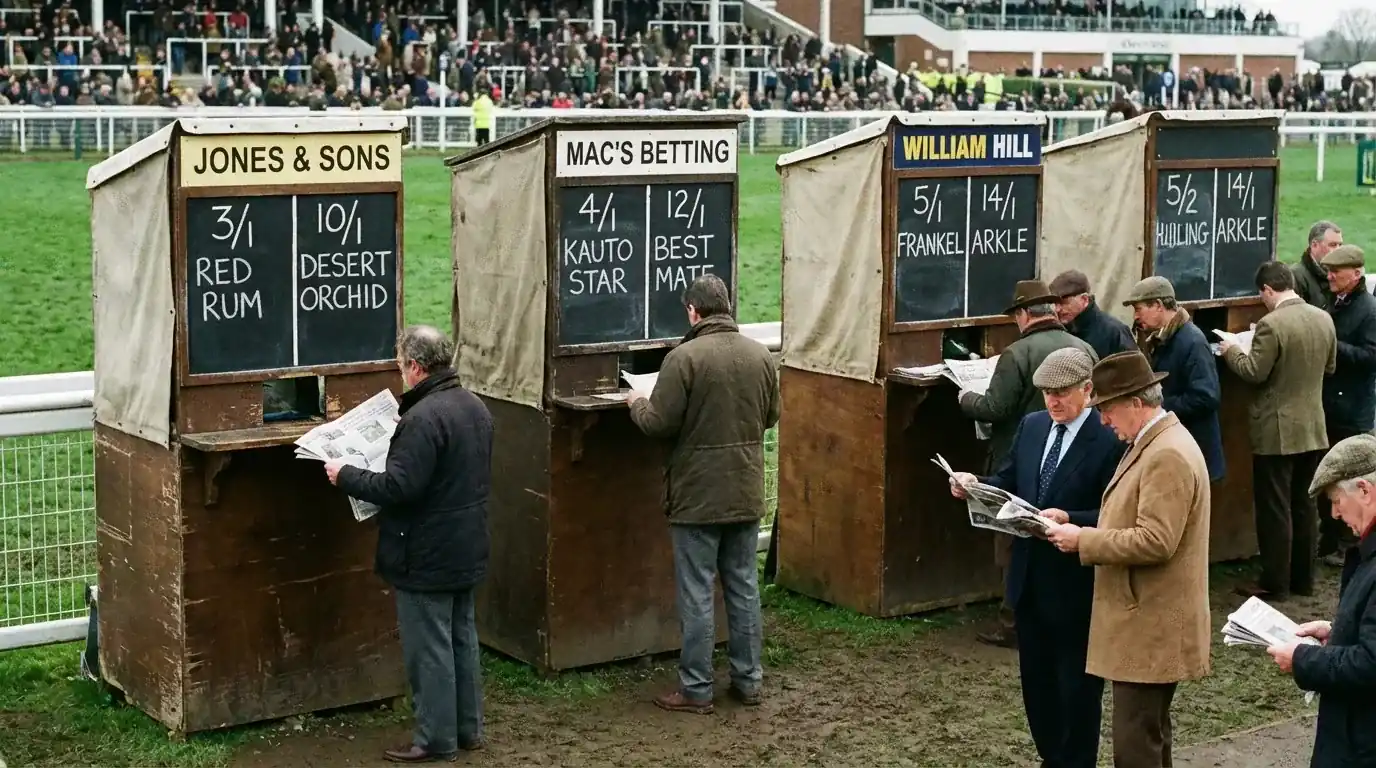
Six weeks before the 2024 Cheltenham Festival, I backed a novice hurdler at 25/1 each-way for the Supreme. The horse had looked electric in a maiden hurdle and the ante-post market had not caught up to my assessment. Three weeks later, the horse picked up a minor tendon strain and was ruled out of Cheltenham entirely. My £20 each-way stake – £40 total – vanished. No refund, no void, no Rule 4 adjustment. That is ante-post in its purest form: the price is better because the risk is higher, and the risk is real.
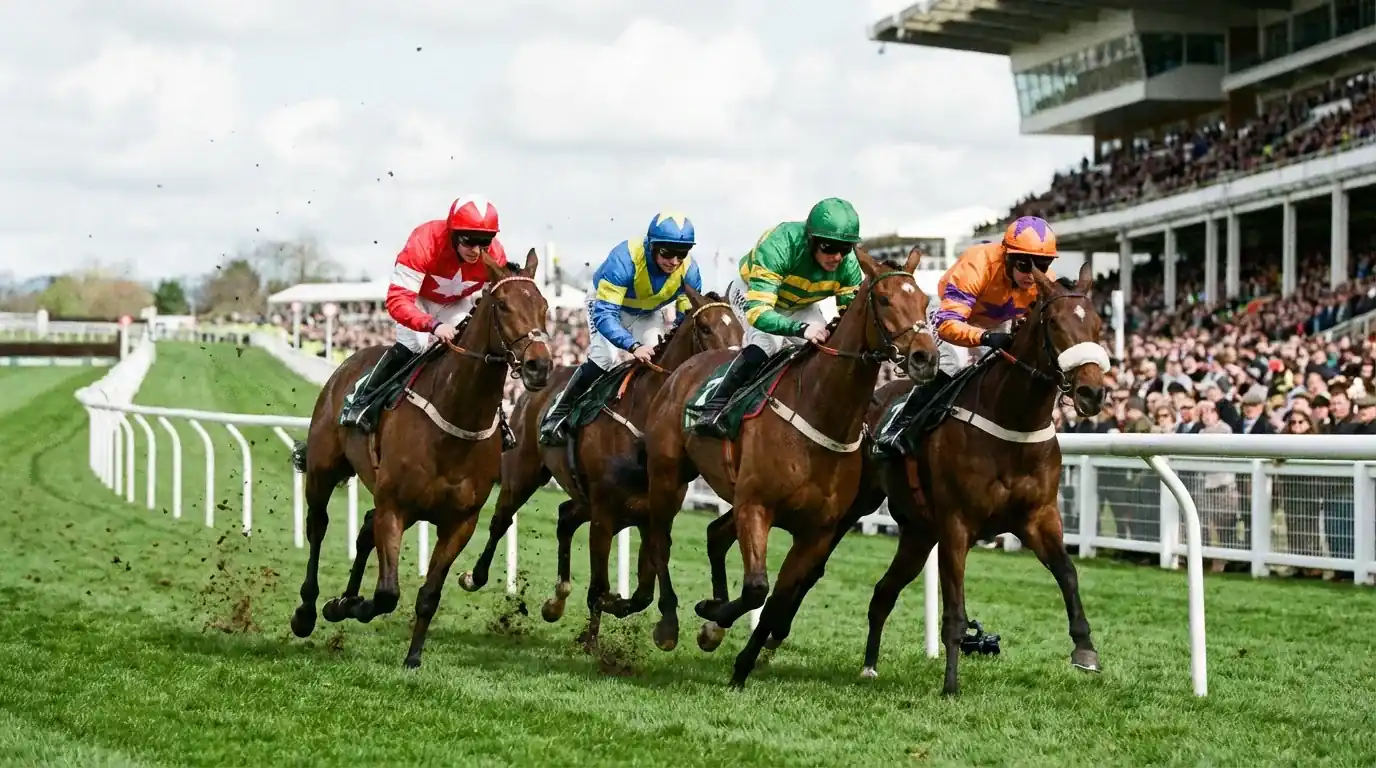
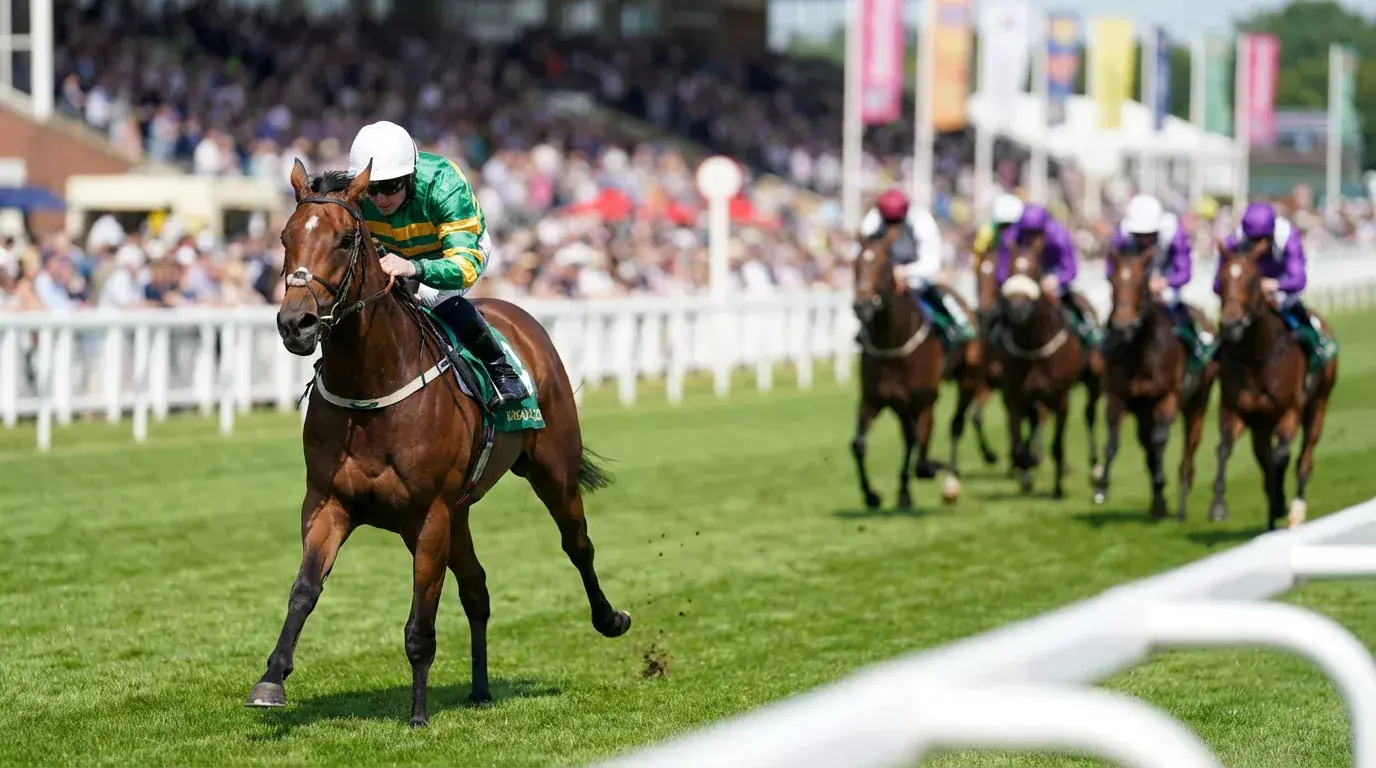
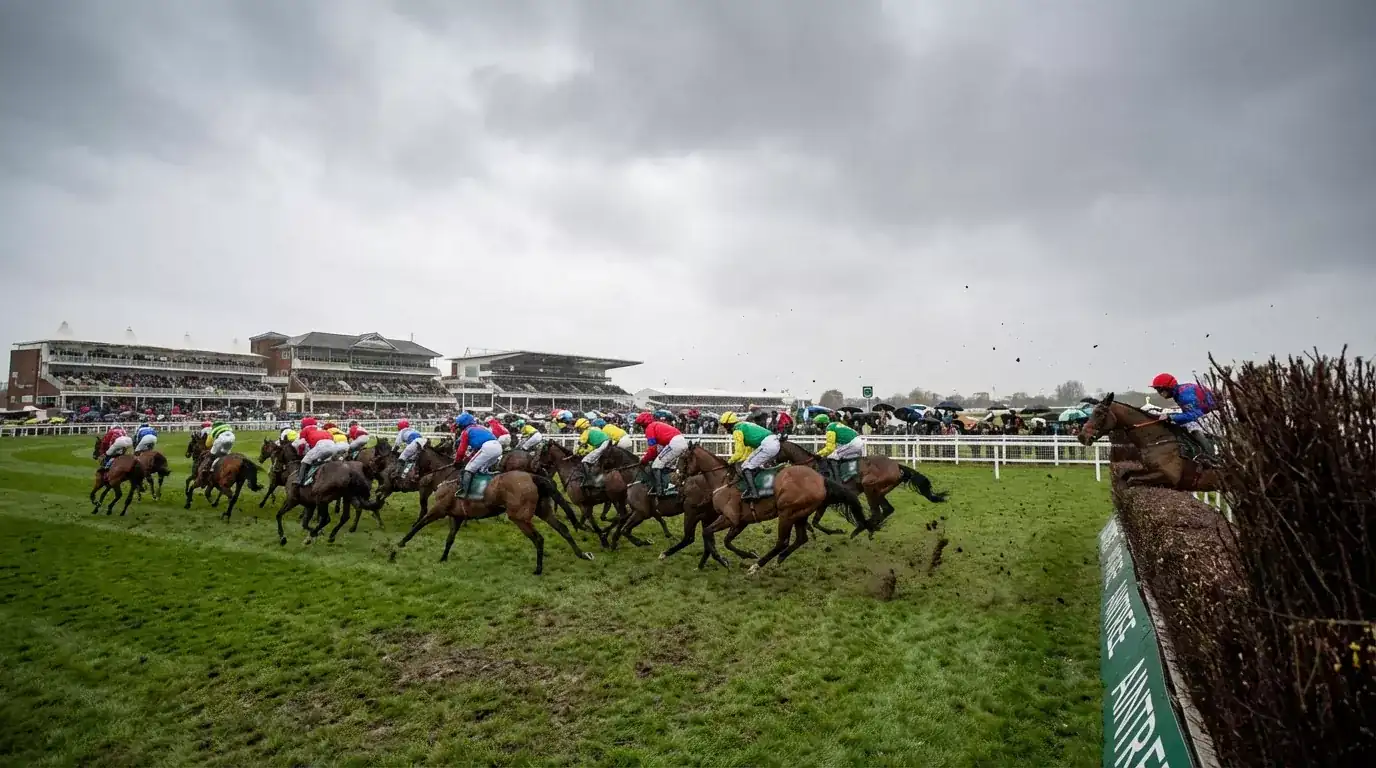
Racing continues to provide pleasure at all levels, as the BHA noted in its annual review, and ante-post betting adds a layer of engagement that stretches the experience from a single race day to weeks or months of anticipation. William Hill projected a total betting turnover of approximately £450 million across the four days of the 2026 Cheltenham Festival, and a meaningful proportion of that figure comes from ante-post wagers placed weeks before the first horse enters the parade ring. The Grand National generates betting turnover estimated at over £200 million, much of it committed at ante-post prices in the weeks leading up to race day.
Ante-Post Each-Way Rules: What Is and Is Not Refunded
The core rule is blunt: ante-post bets are all-in, run or not. If your selection does not make it to the start – for any reason – you lose your entire stake. Both the win and place parts of an each-way bet are forfeit. There is no Rule 4 deduction because there is no adjustment mechanism; you accepted the risk when you placed the bet at a price that reflected the possibility the horse might not run.
This rule applies universally across all UK-licensed bookmakers. It does not matter whether the horse is withdrawn due to injury, change of target, failure to meet entry requirements, or trainer’s decision. The outcome is the same: your money is gone. The no-refund policy is the trade-off for ante-post odds that are typically significantly longer than the price available on race day.
There are no Rule 4 deductions on ante-post markets when other horses are withdrawn, either. If you back Horse A ante-post and Horses B and C are subsequently withdrawn from the race, your bet on Horse A stands at the original odds with no deduction. This cuts both ways: you get no compensation for the reduced field, but you also keep the full price without it being trimmed.
Some bookmakers offer “non-runner, money back” promotions on selected ante-post markets, particularly for the Grand National and the Cheltenham Festival. These promotions refund your stake if your selection does not run, effectively removing the primary risk of ante-post betting. When available, non-runner money-back terms transform ante-post from a high-risk proposition into something closer to an early-price bet with the upside of longer odds. I actively seek out these promotions, because they eliminate the biggest downside while preserving the price advantage.
When Ante-Post Each-Way Offers Genuine Value
The value case for ante-post each-way rests on one proposition: the ante-post price is sufficiently longer than the likely race-day price to compensate for the risk of non-runner losses. This is not always true, and assessing it requires honesty about both the price differential and the probability that the horse will actually run.
I apply a simple test. If I believe the horse would be 10/1 on race day and the current ante-post price is 25/1, the price differential is 2.5x. That is a significant margin of safety. Even if one in three ante-post bets is lost to non-runners (a high wastage rate), the surviving bets are placed at prices good enough to overcome the dead money. If the ante-post price is 12/1 against a likely race-day price of 10/1, the differential is only 1.2x – not enough to compensate for any meaningful non-runner risk.
The best ante-post each-way opportunities cluster around three scenarios. First: unexposed horses with limited form who have shown a level of ability that the market has not yet priced in. Their ante-post odds are long because the sample size is small, but a shrewd assessment of their talent can identify genuine value before the market catches up. Second: established horses targeting specific races where their form profile fits but the market is focused elsewhere. A staying chaser with a perfect record at Aintree whose ante-post Grand National price is 33/1 in January might be 16/1 by March as other punters notice the same profile. Third: horses trained by handlers with a strong record of targeting specific festivals, where the probability of the horse actually running is higher than average because the trainer has a pattern of preparing horses specifically for these events.
Managing Ante-Post Risk: Hedging and Timing
Ante-post risk management is as much about psychology as it is about mathematics. The gap between placing the bet and race day can be weeks or months, and during that time every piece of news – a missed gallop, a change of ground preference, a rival’s impressive trial – can shift your assessment of the bet’s value.
The most effective risk management tool is timing. Backing a horse six months before a race carries more non-runner risk than backing it six days before. I divide my ante-post activity into two windows: an early window (four to eight weeks before a festival) where I take the longest available prices on horses I am most confident will run, and a late window (final week before declarations) where I back horses at prices that have shortened from my early assessment but are still longer than the likely race-day SP.
Hedging is another option for managing ante-post exposure. If you backed a horse at 25/1 ante-post and the price has shortened to 10/1 by race week, you can lay the horse on a betting exchange at the shorter price to lock in a profit regardless of the result. The mechanics of this trade work as follows: your original each-way bet pays at 25/1 if the horse wins or at the place fraction of 25/1 if it places. A lay bet at 10/1 offsets part of the exposure. The exact hedge calculation depends on the stake sizes and the lay odds, but the principle is simple: you are converting an uncertain future payout into a certain present profit by trading the price movement.
Not every ante-post bet needs to be hedged. If the horse is still running and you still believe the 25/1 represents value against a 10/1 race-day assessment, letting the bet run is a legitimate choice. Hedging locks in a smaller guaranteed profit; letting it run preserves the full upside at the risk of losing the original stake. My approach varies: for larger ante-post stakes, I hedge to secure a profit. For smaller speculative each-way bets, I let them run and accept the variance. The key is having a plan before the race-day pressure makes the decision for you.
Do I lose my entire stake if my ante-post each-way selection does not run?
Yes. Ante-post bets are settled on an all-in, run-or-not basis. If your horse is withdrawn for any reason – injury, change of plan, failure to make the final entry – both the win and place parts of your each-way stake are lost in full with no refund. This is the standard rule across all UK-licensed bookmakers. The only exception is if your bookmaker is running a specific non-runner money-back promotion on that market, which would refund your stake if the horse does not run.
Is there a best time window for placing ante-post each-way bets on festival races?
The optimal window depends on the balance between price and information. Prices are longest four to eight weeks before a festival, when uncertainty about which horses will run is highest. Prices shorten as declarations approach and the field becomes clearer. I find the best risk-adjusted value in the window of two to four weeks before a festival: the prices are still significantly longer than race-day odds, and enough information is available about training progress and intended targets to assess which horses are likely to actually run. Betting earlier gets longer odds but carries more non-runner risk; betting later reduces the risk but compresses the price advantage.
Prepared by the win Place bet Horse Racing editorial staff.